Dynamo Berlin: A Gritty Symphony of Sport and Survival
You walk into Dynamo Berlin's training hall on a Tuesday morning and the first thing that hits you is the smell—sweat, resin, and cheap floor wax. It's a world away from the polished arenas of the Bundesliga. Here, in the eastern reaches of the city。the club's identity was forged not in glory but in the stubborn refusal to disappear. Dynamo Berlin, once the sporting arm of the Stasi, carries a history so heavy you can almost hear it in the creak of the old wooden bleachers. But stay long enough, and you realize the weight isn't just political—it's personal, carried by generations of athletes who learned to fight for every inch of mat space.
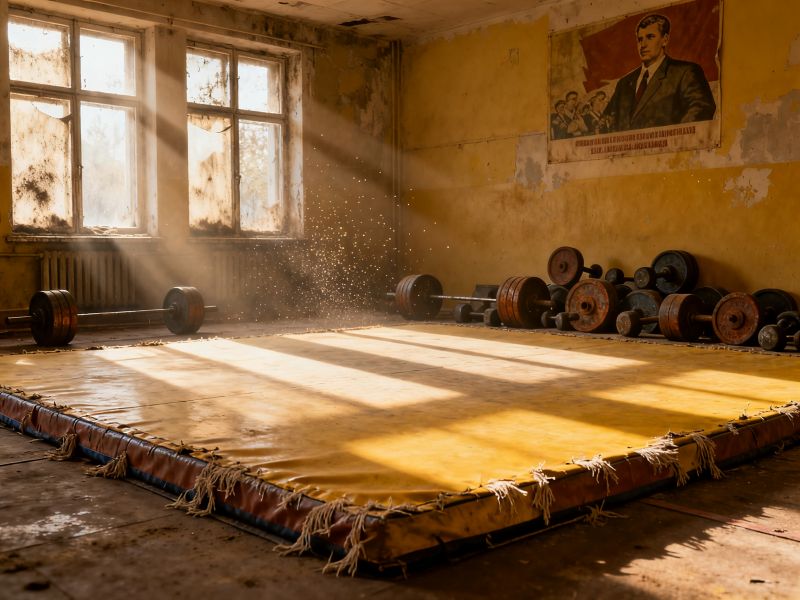
The club's wrestling section。in particular, tells a story that rarely makes the headlines. While Dynamo Berlin is often reduced to its football past or its infamous association with Erich Mielke, the wrestlers have quietly built a tradition of toughness that rivals any in Germany. I watched a youth session last winter: kids no older than ten, drilling single-leg takedowns on a frayed mat while a coach barked corrections in a dialect thick with East Berlin vowels. No fancy equipment. No corporate sponsors. Just repetition, respect, and a kind of stubbornness that feels distinctly local. One father told me he drives forty minutes each way so his daughter can train here—because, in his words, "they don't hand out excuses." That's the Dynamo Berlin ethos in a nutshell.Facilities are a patchwork of necessity and nostalgia. The main hall's roof leaks in two spots, and the weight room looks like a museum of 1980s fitness—rusted dumbbells, a single battered bench。posters of Olympic lifters peeling at the corners. Yet on any given evening, you'll find a mix of teenagers, pensioners, and a few semi-pro athletes grinding through circuits. The club's budget is modest, but the coaching is sharp. A former national team wrestler, now in his sixties, still demonstrates techniques with a speed that silences the room. He doesn't talk about the past unless asked. When I asked, he shrugged: "Politics changes. The mat doesn't." That pragmatism runs through everything at Dynamo Berlin—no grand narratives, just the next drill, the next match, the next season.Competitive results reflect that quiet persistence. Last year, Dynamo Berlin's youth wrestling squad placed third in the Berlin league, a finish that surprised outsiders but not insiders. The club doesn't recruit heavily;
it grows its own. A pipeline from local schools feeds the youngest groups, and retention is high because families find something increasingly rare: stability. In a city where real estate prices push sports clubs out of central neighborhoods, Dynamo Berlin's eastern location has become an accidental advantage—cheaper rent。loyal membership, a community that treats the club as a second living room. I met a grandmother who has been watching practices for fifteen years. She doesn't have a grandchild on the team anymore. She just comes for the coffee and the company.What's next for Dynamo Berlin?The honest answer is: more of the same, and that's not a bad thing. There's talk of renovating the leaky roof。
maybe adding a small strength and conditioning space. But nobody's rushing. The club has survived regime change, financial crises, and the slow erosion of amateur sports funding. Its resilience isn't theatrical;it's woven into the daily grind of early morning practices and late-night cleanups. You won't find Dynamo Berlin on a list of glamorous clubs, and that suits the people here just fine. They're not building a brand. They're keeping a promise—to the kids on the mat, to the coaches who never left, to a neighborhood that still believes in the value of a hard-fought third place.
Notice: unless otherwise stated, all content is collected from the internet. If it infringes your rights, please contact us for removal.